


7 Cultural Etiquette Tips on How to Not Be “That” Tourist
Travel is a powerful way to learn, grow, and connect. But while you’re soaking in new sights and sounds, there’s one unspoken travel rule that every globetrotter should follow: don’t be that tourist. You know the type—oblivious to local customs, treating sacred sites like a backdrop for selfies, or inadvertently offending the very people who make your journey memorable. We’re sharing 7 cultural etiquette tips to better prepare you.
Whether you’re indulging in a luxury travel experience for women or embracing transformational travel, practicing these 7 cultural etiquette tips is essential. Not only does it show respect, but it also deepens your connection with the places and people you visit. Here’s how to ensure you’re remembered as a traveler who “gets it.”
Do Your Homework: The Basics of Cultural Etiquette
Before you set foot on that plane, take time to learn the basics about your destination. Every country has unique customs, traditions, and unspoken rules, and understanding them will help you navigate with ease.
For instance, some countries place a high value on how you greet others. In Japan, a respectful bow is customary, while in parts of the Middle East, a handshake might be accompanied by a warm inquiry about your family. Similarly, dining etiquette varies widely slurping noodles might earn you approving nods in Japan but would raise eyebrows in Italy.
Researching these cultural etiquette tips shows respect and demonstrates that you’ve taken the time to understand the culture. It can be as simple as Googling “etiquette tips in [destination]” or asking your guide during one of our women-only travel group trips. Knowing even small things like not pointing your feet at people in Thailand or keeping your left hand off the dinner table in parts of Africa can help you avoid awkward moments and make a positive impression.
We’re sharing 7 cultural etiquette tips but want to learn more? Click here
Dress to Respect, Not Just Impress
Your travel wardrobe can do more than make you look good in photos it can also show how much you respect the culture you’re visiting. In many destinations, what’s considered appropriate attire isn’t just about fashion; it’s tied to deep cultural values, religious traditions, and social norms.
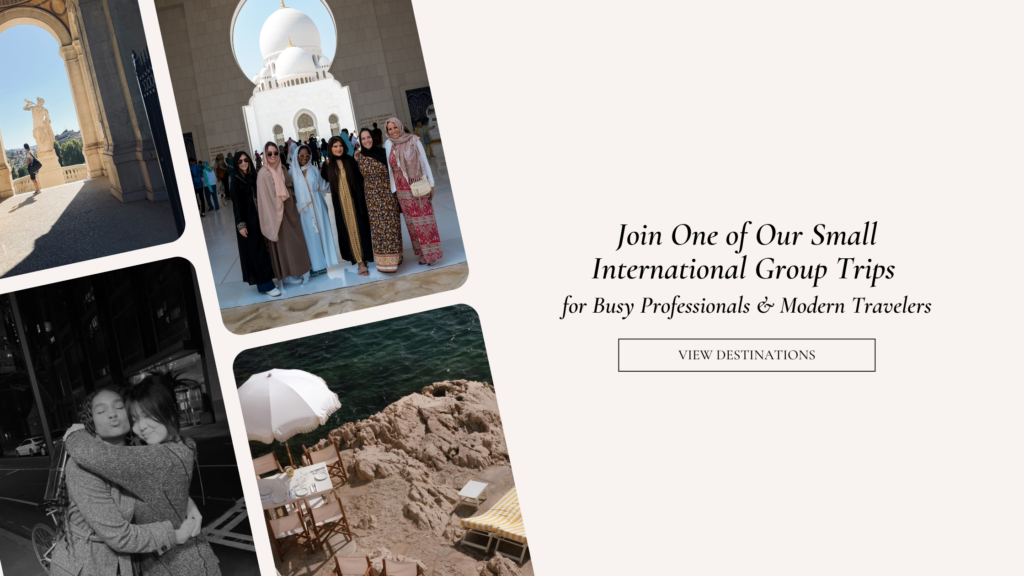
For example, in Morocco, loose-fitting and modest clothing is a sign of respect, especially in rural areas and religious sites. In Thailand, temple visits require covered shoulders and knees. Dressing appropriately ensures you’re not unintentionally offending the people you meet while also helping you blend in more seamlessly.
This doesn’t mean sacrificing style for sensibility. It’s possible to build a wardrobe that’s both chic and culturally appropriate. Consider lightweight scarves, maxi dresses, or stylish cover-ups—essentials we often recommend for bespoke women travel experiences. Packing with cultural norms in mind not only avoids discomfort but also enriches your journey by showing locals that you care about their traditions.
Learn a Few Local Phrases: Small Effort, Big Impact
Language barriers can be challenging, but they don’t have to stop you from making meaningful connections. Learning a few key phrases in the local language can open doors and hearts in ways you might not expect. Even simple words like hello, thank you, and goodbye can spark smiles and goodwill from locals who appreciate the effort.
It’s not about fluency; it’s about showing that you respect the language and culture enough to try. In countries like France or Japan, locals often respond more positively when visitors make an attempt, even if it’s not perfect. Pro tip: don’t underestimate the power of a genuine smile and a polite attempt to communicate, it goes a long way in breaking down cultural barriers.
If you’re joining one of our transformational travel experiences, we encourage our groups to learn phrases that reflect the destination’s cultural nuances. Having a few key expressions handy also comes in clutch when navigating public transportation, markets, or restaurants where English isn’t widely spoken. We also provide a guide on things to know to better prepare you beforehand.
Put the Camera Down: Experience Over Exposure
We all love a good Instagram shot, but travel is about more than just curating your feed. While it’s tempting to snap pictures of every scenic view or bustling market, it’s important to remember that not every single thing needs to be documented.
For instance, when visiting sacred sites like temples, mosques, or churches, be mindful of the environment. Many of these places are deeply spiritual, and snapping endless photos—or worse, staging elaborate poses—can come across as disrespectful. Some destinations even have specific rules about photography, such as bans on using flash or taking pictures during services.
The same goes for photographing people. Always ask permission before taking someone’s picture, especially in more traditional communities where being photographed might feel invasive.
Support Local Communities: Travel With Purpose
One of the best ways to leave a positive impact as a traveler is by supporting local businesses. Instead of gravitating toward mass-produced souvenirs or chain restaurants, seek out locally made goods, family-run establishments, and community-based experiences.
For instance, buying handcrafted jewelry, textiles, or pottery not only supports local artisans but also gives you unique keepsakes with a story. Dining at neighborhood eateries lets you savor authentic flavors while contributing to the local economy. These choices help ensure that tourism benefits the people who make your destination so special.
During our boutique group trips for women, we prioritize working with local guides, vendors, and artisans to provide our travelers with authentic, enriching experiences.
Be Mindful of Volume and Behavior
In the excitement of exploring a new place, it’s easy to forget that not every culture operates at the same noise level. In bustling cities, loud chatter might go unnoticed, but in quiet towns, sacred spaces, or museums, keeping your voice down is essential.
Cultural norms around personal space and behavior vary, too. For example, in some parts of Asia, it’s polite to keep a respectful distance from others, while in Latin America, warm embraces are the norm. Observing how locals interact and adjusting your behavior accordingly shows adaptability and respect.
Embrace the Differences: Stay Curious and Open-Minded
Travel is all about stepping out of your comfort zone and immersing yourself in the unfamiliar. Instead of clinging to what feels “normal” or familiar, embrace the differences you encounter along the way. Try the unusual street food, participate in local customs, and engage with people who have perspectives unlike your own.
It’s not always easy sometimes the differences can be challenging or even uncomfortable. But these are the moments that lead to growth, understanding, and deeper connections with the world around you. Incorporate these 7 cultural etiquette tips and you’ll n your way to being a more culturally aware traveler.
Respectful travel isn’t just about following a set of rules—it’s a mindset. It’s about approaching every new place with humility, curiosity, and a desire to leave it better than you found it.
At our women-only travel groups, we weave cultural etiquette into every itinerary, ensuring our travelers feel confident and informed. From luxury travel for women to transformational travel experiences, our trips are designed to create meaningful connections, not just with the destinations, but with the women who journey with us.
Ready to explore the world in a way that’s thoughtful, chic, and truly unforgettable? Join us on your next adventure.


